
Home » Orphanage
Category Archives: Orphanage
Eddy Railway Orphanage Fund, an act of respect
On 21 July 1897, Edward Miller Gard Eddy died at the Gresham Hotel, Brisbane. He had been scheduled to meet the Queensland Commissioner of Railways at Wallangarra on its remote railway station not far over the New South Wales /Queensland (NSW/Qld) border. This station was where the NSW railway gauge of 1435 mm (4 ft 81/2 in) met the Qld gauge of 1067 mm (3 ft 6 in). When Eddy arrived he was so ill he had to be helped across the platform to board a train to Brisbane. Eddy had been travelling by train from Sydney on railway business, inspecting the northern rail lines and then, in order to seek an improvement in his health, he had intended to travel to Brisbane where he would meet his wife, Ellen.[1] He died one month short of his 46th birthday.[2]
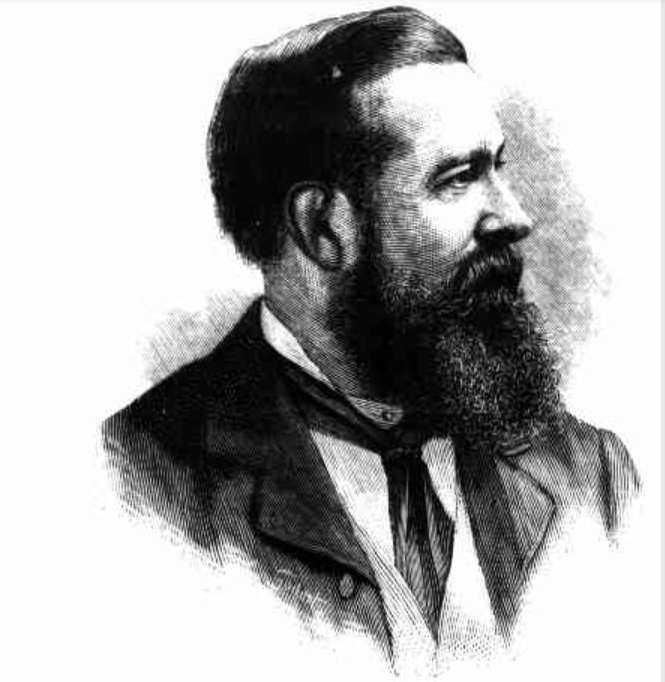
English born, Eddy arrived in Sydney in October 1888, having
…accepted the position of chief commissioner of the New South Wales Railways at a salary of £3000 with a future increase left to the ‘justice of the Government and Parliament’. He wrote: ‘I take so much delight in my work, and I can see how, in a country which will owe much to the judicious management and extension of its railways, I could be of great service to the Colony, and also obtain credit for myself’.[3]
On the one hand, in his time as chief commissioner, despite
… political obstruction and criticism and economic depression Eddy extended the railway system. He introduced more powerful locomotives, better rolling stock, improved facilities at stations, better public relations and an active advertising campaign which encouraged new traffic. While unsuccessful in bringing the railway to the centre of Sydney, he enlarged the tramway network, and permitted the first experiments in electric traction.[4]
On the other hand, it has been said of him that he displayed a ‘merciless anti-unionism’ which ‘suppressed the development of mass unionism in the railways for a decade’.[5] At the time of his death, against the backdrop of almost universal praise for Eddy, one contemporary newspaper poured highly critical commentary upon his life and accomplishments:
It cannot be forgotten that it was Eddy who, under the promptings of Parkes, McMillan, and Co. was one of the main factors in defeating the workers in the great Maritime strike. It was Eddy who systematically crushed out all and every form of Labor organisation in the Railway Service. Eddy it
(more…) Philanthropists and Philanthropy