
Home » 2016
Yearly Archives: 2016
Robert Sidaway (1758-1809) and Mary Marshall (1756-1849) Sydney’s first philanthropists?
Robert Sidaway (1758-1809) is the first person to be designated a philanthropist in the newspapers of colonial NSW. At his death in October 1809, the 51 year old was described as
one of the first inhabitants of this Colony; during his very long residence in which he ever supported the reputation of a true philanthropist, and in all other respects a valuable member of society, in which he was universally respected.[1]
In 1782, Robert had been convicted of theft and later of absconding from custody and was sentenced to transportation to NSW for life. He travelled on the Friendship as part of the First Fleet and was regarded as troublesome spending some time on the journey in irons. He received an absolute pardon on 27 September 1794. Robert was awarded a contract to be a baker for the troops and also received a liquor license so that he could run a public house. In 1796, he was operating the first theatre in Sydney which was eventually closed by the Governor as it was considered a corrupting influence. At this time, he also had a farm at the Field of Mars where he grew maize and wheat.[2] From very early in his time in the colony, at least from November 1789 when they worked together in Robert’s bake-house,[3] Robert had been living with ‘Mrs’ Mary Marshall (1756-1849) and she had become his common-law wife.[4] In 1788, Mary had come as a convict in the First Fleet on the Lady Penrhyn having been convicted for stealing linen handkerchiefs in 1787 and sentenced to seven years transportation.[5] It appears that, with Mary’s assistance, Robert had managed to quickly establish himself within colonial life and was moderately well off and prosperous for, by 1797, he was said to have accumulated more than £3,000.[6]
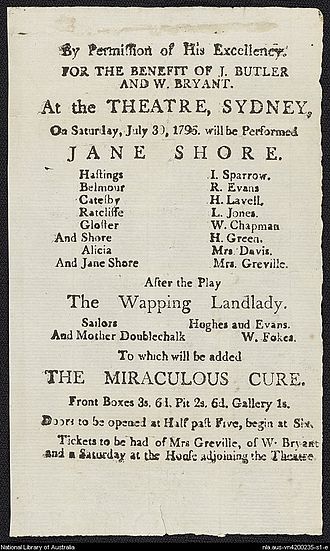
An original playbill from Sidaway’s theatre, dated 30 July 1796
The wording of his death notice, designating Robert as a ‘philanthropist’, seems to indicate at least two things. Firstly, that he had a reputation as a philanthropist. The community view was that his philanthropy was not related to a single event, but that it was an attitude and activity over the considerable period of his time of residence in the colony. Secondly, that he was thought of as a ‘true’ philanthropist. This suggests that his philanthropy was regarded as genuine and not an activity with any ulterior motive. His philanthropy, together with that of Mary, could not have been expressed through any charitable organisation such as the Benevolent Society which only began in 1813, but must have been through their personal dealings.
Abraham S Gordon (1866-1936) Art Union Fund Raiser, Canvasser and Author
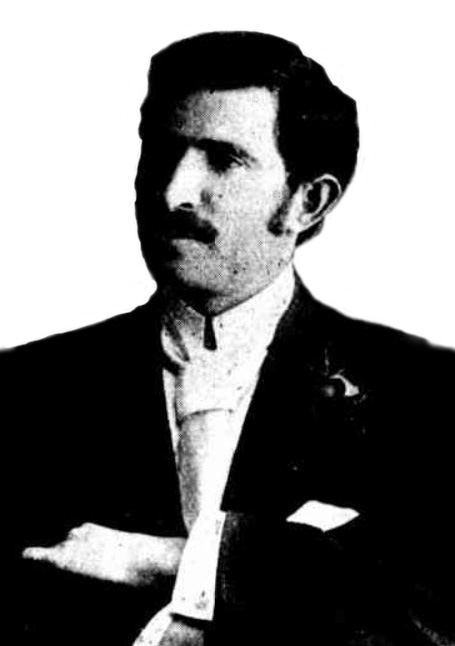
Abraham Samuel Gordon
Abraham Samuel Gordon was, in the late nineteenth century, a leading organiser of charity Art Unions in Australia. As early as the 1840s, the Art Union appeared in the colony of NSW when Maurice Felton,[1] an artist, advised ‘his subscribers that the division of his Oil Paintings among the Shareholders will take place THIS DAY, the 14th January 1842.’ [2] This procedure adopted by Felton was modelled on the English practice where an artist sold tickets for the disposal of a body of his works of art. These were raffles where the artist was the beneficiary of the proceeds.
Gordon refined this early process and ran across most colonies of Australia what were, in essence, lotteries for the purpose of raising funds for charity, though some suggested that the main charitable beneficiary of these ‘Art Unions’ was Gordon himself. In the 1890s, a depression hit Australia and unemployment increased as businesses were bankrupted and ceased operation and giving for charitable purposes was significantly reduced as individuals sought to prune their expenditure. This took place against the background of an increasing need for the services of the various benevolent institutions as the unemployed applied for assistance. So when a fundraising opportunity presented itself to various charitable bodies via Gordon’s Art Unions it was, to many charities, a great opportunity to gain access to much-needed funds.
Gordon’s background is obscure. He said that he was born in Szagarren, Russia,[3] which is now in Lithuania, on the Baltic and near Riga where his father was a feldsher[4] (Surgeon) and his mother a mid-wife. He travelled to London when he was 15 or 16 to join his eldest brother and to find work to support himself and said that, consistent with his birthplace, he knew well the Russian, German and French languages and had a fair knowledge of Hebrew and the Talmudic lore.[5] Gordon remained in London for two years, went to Cardiff in Wales then, around 1885, moved to Codoxton ‘where they were building a new dock’[6] and where he went into business with his younger brother Isaac[7] selling furniture, jewellery and fancy goods. He said he was in England and Wales for five years before coming to Australia which would mean he left to come to Australia sometime around 1887. It seems likely, therefore, that he is the ‘Albert Gordon’ who arrived on the Potosi in July, 1887.[8]
Initially, Gordon went door-to-door selling hairpins, bootlaces and jewellery[9] then, in December 1888, he opened a shop in High Street, Bendigo, as a General (more…)
John Sidney (1846-1916) Charity Secretary
John Sidney played an important role in the nineteenth-century charity scene primarily as a charity secretary but also as a collector, however, little is known about his personal life. He was English and the son of John Sidney, a medical doctor, and his wife Mary nee Johnson.[1] Born in 1846 and living at some stage in Rochester, Kent,[2] he also seems to have been well acquainted with Devon and Cornwall.[3] It is uncertain when he arrived in the colony of NSW, but it was probably sometime in early 1877[4] and it is possible that he had been a member of the London Stock Exchange; he was certainly quite familiar with London.[5] Prior to his arrival in the colony, John had been married in England to Susan (maiden name unknown) but she either did not come with him to the colony or, if she did, she returned to England from NSW.[6] It is most likely that she never came as no trace of her has been found in NSW or elsewhere in Australia. Early in February 1887, a notice appeared in two Sydney newspapers advising that Susan, aged 35, the wife of J Sidney, had died at her father’s residence in Torquay, Devon. No date of death was given,[7] but less than a month later John Sidney married Margaret Thomson Cameron.[8] At no time, between his arrival and the insertion of the notice of Susan’s death, had John returned to England so it would seem that he and his first wife had been, for whatever reason, estranged.[9] Two male children were born to John and his second wife Margaret, but it seems they died at birth or in infancy as there is no contemporary record of either their births or their deaths. John himself died in 1916 at 70 years of age.[10] At this time he was a recipient of the recently introduced Commonwealth Government pension and was the onsite caretaker of the Royal Society at 5 Elizabeth Street, Sydney.[11]
Health Society of NSW (HSNSW)
Sidney’s name is first mentioned in charitable circles in 1877 in association with his role as the collector[12] for the Health Society of NSW (HSNSW), an organisation formed in August, 1876.[13] Henry Burton Bradley was the leading advocate of the Society which sought to alert others to various community health issues within Sydney. Initially employed by Bradley as a collector of funds, John Sidney was soon given the task of investigating public baths in Sydney. His comprehensive report pointed to problems of sewage within the Sydney Harbour and for the need to ultimately find another method of disposing of it. In his report he took the initiative to comment upon the supply of meat and on animal welfare at the abattoir prior to slaughter. He found that at the Glebe abattoir on a hot day, the animals were ‘packed as close as sardines’ which he compared unfavourably to the process he saw implemented in London.[14] His association with the HSNSW was short-lived and he seems to have concluded his role as secretary and collector in 1881.[15] Sidney’s time with the HSNSW, however, began a life-long friendship with Henry Burton Bradley and probably brought him to the attention of the Western Suburbs Horticultural Society of which Bradley was the President. Sidney became secretary for this group in 1878 and retained the position until the end of 1881.[16] His time with the HSNSW also brought him to the attention of those interested in promoting animal welfare in NSW. (more…)
Women’s Branch of the Society for the Prevention of Cruelty to Animals
The ‘Society for the Prevention of Cruelty to Animals’ was founded in Britain in 1824 by a group of 22 reformers led by Richard Martin MP, William Wilberforce MP, and the Reverend Arthur Broome. In 1840, it was granted its royal status by Queen Victoria to become the ‘Royal Society for the Prevention of Cruelty to Animals’ (RSPCA), as it is known today. Its influential members lobbied Parliament throughout the nineteenth century which resulted in a number of new laws such as the Cruelty to Animals Act 1835.[1]
It took the Colony of New South Wales nearly 50 years before it began to form a similar society and the catalyst was a letter that appeared in the Sydney Morning Herald on July 3, 1873, observing that
Not a day passes without our being pained, usque ad nauseam, with the most wanton cases of cruelty to animals. In these prosperous times it behoves us surely to devote a little of our time and money to the redress of this grievance.[2]
This letter drew attention to the boast of their ‘go-ahead sister’, colonial Victoria, of the ‘entire absence of such barbarities’ from their colony; a claim due to the existence of an organisation for the prevention of cruelty to animals.[3] In response to this letter, supported by the Sydney Morning Herald[4] and after various small preparatory meetings,[5] a public meeting was called on July 16, 1873, to form such a society in Sydney.
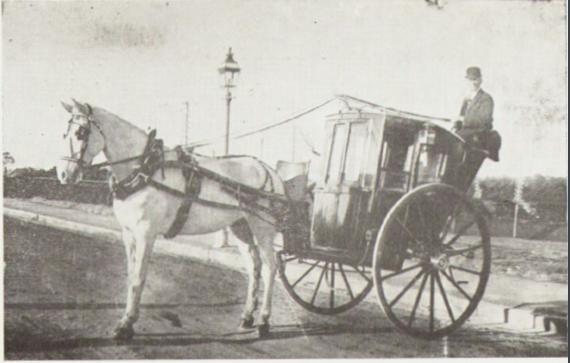
Horse, cabman and cab
The society, named the ‘Society for the Prevention of Cruelty to Animals’ (SPCA), had as its patron the Governor Sir Hercules Robinson, Charles AW Lett as the honorary secretary, Alfred Sandeman as the honorary treasurer and Thomas Mitchie as the honorary veterinary surgeon, while the committee was made up of prominent male citizens of Sydney.[6] The primary focus of the SPCA was the detection and prosecution of those guilty of animal cruelty.
At the 1878 annual meeting of the society, where the SPCA was renamed the ‘Animal’s Protection Society’ (APS),[7] the Rev Dr William F Clay expressed the view that measures beyond inspection and prosecution were needed to ensure the protection of animals. He advocated for
the delivery of lectures such as were given in England, and by which the young might be trained to the proper treatment of dumb animals. Prizes had already been given in connection with this subject, and might be given again. Could not the pulpit, he would ask, be brought to deal with this matter.’[8]
In 1885, a letter to the editor of the SMH, signed ‘Beth’ of Hunter’s Hill, was published. It advocated the formation of juvenile branches of the SPCA in connection with the schools along the lines of the Bands of Mercy in England and America.[9] Unknown to ‘Beth’ and the general public, however, such a work had already begun, but knowledge about such Bands of Mercy would only become more widely known after the formation of a woman’s branch of the Royal Society for the Prevention of Cruelty to Animals[10] in Sydney on December 16, 1886.
Initially, the women’s branch of the Royal Society for the Prevention of Cruelty to Animals (WSPCA) did not use the prefix ‘Royal’ in its title (see Timeline and Terminology of Animal Protection in Britain and NSW), but did so shortly after its formation when it sought and believed it was granted affiliation with the parent body of the RSPCA in Britain.[11] In 1896, a question was raised as to the right of the committee to use the prefix ‘Royal’ and its use was discontinued.[12] While the WSPCA consisted only of women, there was a male honorary secretary, John Sidney,[13] who was also the paid secretary of the APS.[14] Sidney’s membership was obviously at the invitation of the women, and was presumably because the WSPCA saw the need for his knowledge and experience, as well as his being their direct link to the APS and its activities.
The Model Lodging House Company of Sydney (Limited)
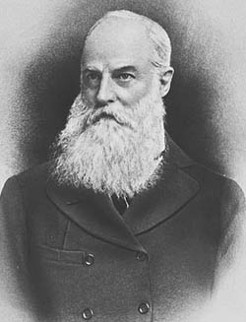
Henry Burton Bradley (NSW State Library)
In the 1870s, the development of housing for working class single men was an issue that many thought needed to be addressed. To do this a group of philanthropically minded men decided to form a limited liability company with shareholders to address the matter. This charity was different to most and was not, strictly speaking, a charity as those who benefited had to pay for the benefit they received and the shareholders were to receive a dividend from their investment. The project was called the Model Lodging House Company of Sydney (Limited) (MLHL). There was already a Model Lodging House in Melbourne which commenced in 1871,[1] but it proved more difficult to commence one in Sydney. The purpose of the company was ‘to furnish in Sydney accommodation for the poor of the hard-working classes, who have no homes of their own, a shelter by night, both healthful and decent, at a cost which will make the institution self-supporting, and which may in the course of years pay a moderate dividend to the shareholders.’[2] The principle of the MLH was that the working man did not need charity in the narrow sense of the term and so they were determined to make the MLH pay. They did not intend to disparage the broad principle of charity, but they wished to avoid the ‘eleemosynary [Latin for charity] element’ in an institution that should stand alone.[3]
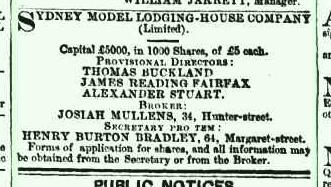
Advertisement for shares in the Model Lodging House, Sydney
First efforts to commence a MLHL were made in 1874 by Alfred Stephen but were unsuccessful.[4] Henry Burton Bradley (1815-1894),[5] Secretary of the Health Society of New South Wales (HSNSW) again raised the matter in 1876[6] and under the banner of the HSNSW continued to pursue the matter approaching Josiah Mullens[7] to enlist his support for such a venture.[8] In August of 1877, the HSNSW agreed to attempt to float a company in order to raise the capital to build a lodging house initially to accommodate 100[9] with FH Reuss (Snr) giving his services as an architect to design the building. In February 1878, Bradley, ever positive and hopeful, was reported as saying that commencement of the building was to soon begin.[10] The company was formed with a capital of £5,000, 1000 shares of £5 each, its directors being Thomas Buckland, James Reading Fairfax, Alexander Stuart with Josiah Mullens the broker, Henry Burton Bradley the Secretary[11] and John Sidney was the collector.[12] (more…)
The Sydney Female Home
In March 1858, a letter appeared in the Sydney Morning Herald (SMH) advising that there was a project afoot to ‘provide a temporary home for young females of the better classes arriving in the colony without friends, and consequently liable to be thrown into distressing or dangerous circumstances’. Such an institution was to be opened on the same principles as the Young Men’s Christian Association and a notice soon appeared advertising a public meeting to mature the proposal. The institution was to be, said the writer, ‘entirely unsectarian, and by the blessing of God it may be hoped that it will be of incalculable advantage.’[1]
A notice duly appeared shortly after calling a meeting, to be chaired by the Governor General, Sir William Denison, to consider some means proposed for the ‘Welfare and Improvement of Young Women.’ The notice also advised, what would have been a significant novelty for a public meeting of this sort, that ‘A Lady’ will, in the course of the proceedings, address the meeting’.[2]
‘The Lady’ who spoke was Maria Therese Forster, a young German-born widow who seems not to have had any significant social connections,[3] but who had great powers of persuasion and passion concerning the fate of young friendless women.[4] Maria spoke at length at the well-attended meeting,[5] and actually read her speech because of her ‘broken language’. The speech was an amazing flow of spiritual concepts which led the Bishop of Sydney to call her the ‘German spiritualiser’.[6] Ambrose Foss declared it ‘pious, zealous, and soul-stirring’, while Charles Kemp said ‘that she had a force of language and a power of eloquence that few even of the daughters of England possessed.’[7] One observer noted that ‘there was an air of enthusiasm about her countenance, and a womanly affection in her demeanour and her conduct, which quite prepossessed her audience’.
Maria read for nearly an hour and ‘you might have heard a pin fall in any part of the large hall’.[8] Her speech focused on the theme that women are ‘ordained by God’s law to become the very centre of happiness to mankind’ therefore provision for their safety and nurture in the colony was essential. She provided an outline of two proposed organisations, one for the accommodation of ‘the better class’ to be called The Young Women’s Christian Temporary Home and Institution for Mental and Mutual Improvement and one for ‘the servant class’ to be called The Temporary Home for Respectable Female Servants.[9]
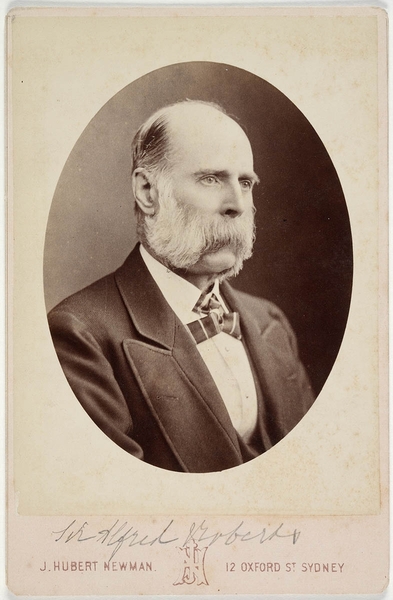
Dr Alfred Roberts
A committee of some ladies, married to high profile members of the Sydney community, was appointed to mature the plan discussed and to begin to put it into operation. The committee consisted of Lady Eleanor Stephen, Lady Elizabeth Cooper, Mrs Jane Barker, Mrs Ann Deas Thomson, Mrs Robert Campbell, Mrs Emily Stephen, Mrs Jane Allen, Mrs a’Beckett, Mrs Archdeacon Cowper and Mrs Maria Forster.[10] By July of 1858 there was a Ladies Board of Management of 29 ladies plus an honorary treasurer and secretary, Mrs Susan Roberts, with her husband Dr Alfred (later Sir)[11] giving free medical assistance, together with a gentlemen’s reference committee of seven. Also promulgated was a very detailed preface and fifteen rules.[12] The result was not two separate homes determined by class but one home:
The Sydney Female Home … designed to be a place where respectable females, but of every degree, and without regard to creed or country, may resort when out of employment, and there find all the security, protection , and comfort of a plain, well-ordered home, with every facility for procuring from thence occupation suitable to their respective callings.[13]
The Female Home, which opened on October 1, 1858,[14] was soon renamed the Governesses and Servants Home so that it would not be confused with the Sydney Female Mission Home and the Sydney Female Refuge.[15] After a year or so of operation it was popularly referred to as The Servant’s Home[16] and then simply THE HOME.[17] The provision of accommodation, or a home, with an appointed matron,[18] was central to the work of THE HOME and the organization hoped to erect its own building, but instead continued in rented premises for the whole of its existence.[19] Initially, it was located at 296 Castlereagh Street,[20] then from 1859 at 103 Elizabeth Street North,[21] from 1861 at 195 Castlereagh Street,[22] then from 1864 at 98 Elizabeth Street North,[23] and finally from 1871 at Cowper Terrace, 23 Clarence Street.[24] After September 1890, advertisements placed by THE HOME for positions for servants ceased and the work disappears from view. It most probably ceased to function.[25] (more…)
The Sydney Dorcas Society
On May 3, 1905, the first section of the Benevolent Society Royal Hospital for Women in Paddington, Sydney, was opened. The new hospital had been partly furnished through the efforts of the Ladies’ Committee of the Lying-in Department (maternity section) of the Benevolent Asylum, by individual donors and from the funds, some £1,321 19s 0d, of the defunct Sydney Dorcas Society (SDS).[1] Rathbone, the historian of the Benevolent Society, identifies this society as the Dorcas Society of the Presbyterian Church, but this is incorrect as the Presbyterian group was not formed until much later.[2]
The SDS, from which the funds came, was formed in January of 1830,[3] was a society controlled and largely funded by women, and was once described as ‘another of those gems of benevolence which sparkle with so pure a lustre in the crown of Australia.’[4] Its object was to ‘relieve poor married women during the month of their confinement, with necessary clothing and other things, as the individual case may require’. This was for the relief of poor women, not in a lying-in facility or hospital, but in their own homes or what nineteenth century philanthropic discourse termed ‘out of doors’ assistance.[5] The society also saw that a midwife was always provided.
The names of only three midwives used by the Society are known: Mrs Brown, Mrs Hannah Palser and Mrs Georgiana Harrison, and little is known of their qualifications, their backgrounds or periods of service. Initially, Mrs Brown attended in a voluntary capacity, but due to increasing calls for her services the Committee felt bound to remunerate her for each case she attended.[6] It appears Mrs Brown worked for the SDS until the end of the first decade of its operation, but then a curious newspaper announcement by the SDS appeared in March 1840 denying they had awarded Mrs Brown a medal (presumably for her services). The notice indicated that such a medal ‘was firmly refused when application was made for it by Mrs Brown’ and this firm refusal may indicate a dispensing with of her services and an unwillingness to recommend her to others.[7]
Mrs Hannah Palser[8] acted as midwife for the SDS from about 1839 until 1854.[9] After some ten years with the SDS one case led to her being criticised by Dr D J Tierney for being either ‘very inattentive or extremely ignorant’.[10] Both Hannah Palser, who claimed to be able to present ‘certificates of ability and character from some of the most eminent of the medical profession,’ and the SDS vigorously defended her work and the SDS indicated that because of her exemplary record they had no intention of withdrawing their confidence in her. There was the suggestion by Palser that the criticisms of Tierney, who sought to start a ‘lying in’ facility as opposed to the ‘lying out of doors’ in their own home approach of the SDS,[11] were not altogether objective.[12]
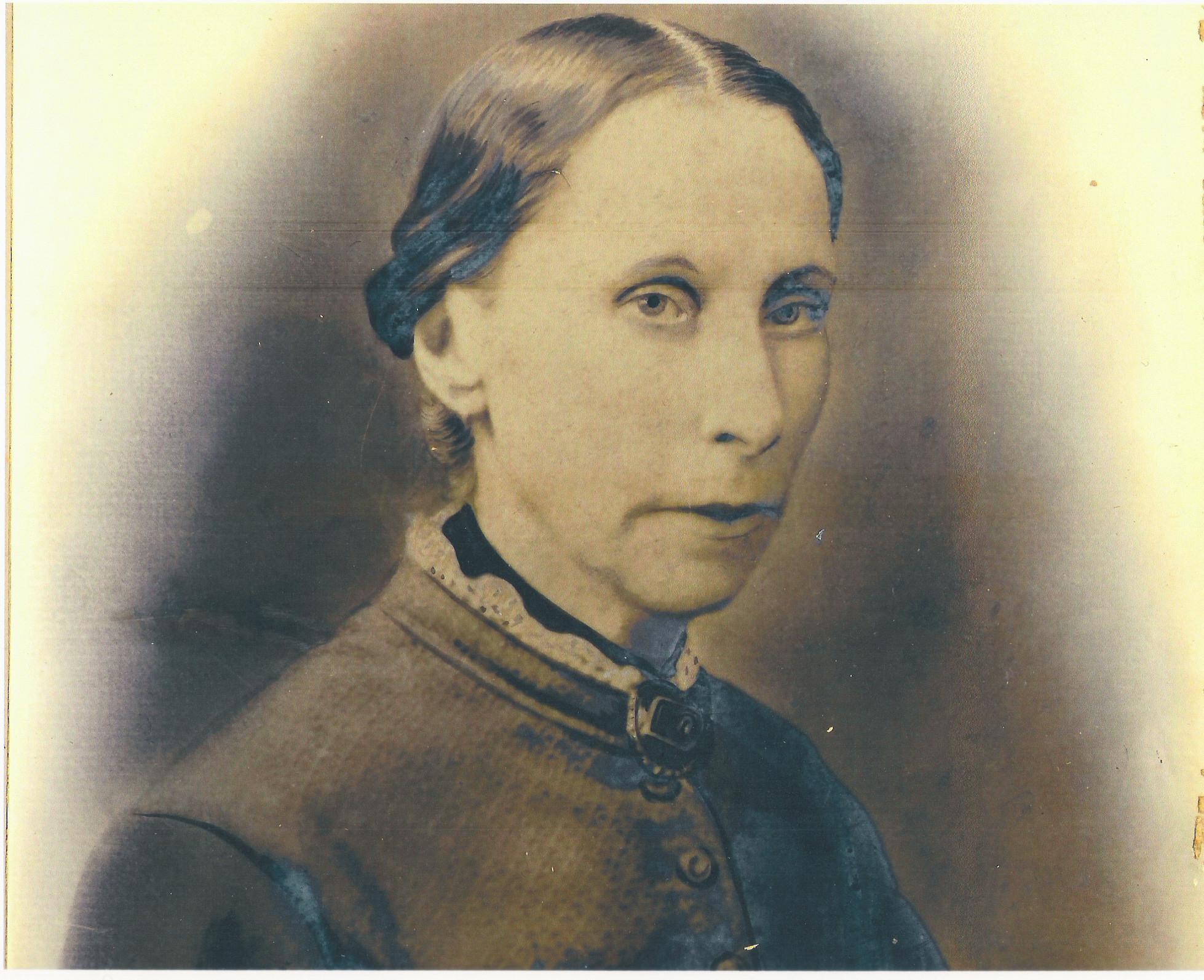
Georgiana Rebecca Harrison nee Sweetman (with thanks to Tracey Johansson)
The only other midwife known to have worked for the SDS was a Georgiana Harrison.[13] She worked as a midwife in Sydney from 1867 until 1890, shortly before her death in 1891.[14] Her period of service with the SDS is unknown, but is likely to have been from around 1866 to around 1880 and her qualifications for the work seem to have been her own experiences of giving birth to at least seven children.
The attention at births of a SDS midwife alone, without a doctor, was a practice that had worked well and without any significant problems for nearly twenty years. In 1849 Palser, who was an experienced SDS midwife and who had overseen over a hundred trouble free deliveries, attended a patient who tragically died. After this the SDS resolved to change their procedures and it was decided to give the midwife or a Committee member the authority to call in, where necessary, a doctor[15] and the SDS would pay for the visit. Initially, the services of Dr Thomas Russell Duigan[16] were used, but later the nearest available doctor was summoned. [17] What fees a midwife was paid over the lifetime of the SDS is unknown, but in 1849 she was paid ten shillings per delivery.[18] The midwife was required to visit the patient four times, apart from attendance upon the birth, on the second, third, fifth and ninth days after that event.[19]
Charles Nightingale (1795-1860), Edward Ramsay (1818-1894), Arthur Balbirnie (1815-1891) and James Druce (1829-1891), Charity Collectors
Obtaining funding for the work of the various nineteenth century philanthropic organisations was always a challenge. There was little government financial assistance available, and the various organisations were dependent upon the generosity of the public for financial support. In order to gain that support the many charities who wished to collect money from the public engaged in a number of activities and strategies. Prominent among their activities was the public annual meeting, often chaired by a socially important person, where the activities of the organisation were reported and supportive resolutions passed. At the meeting someone, usually the secretary of the committee, would read a report detailing what had been achieved in the year past, often giving encouraging examples of success as well as underlining the difficulty of the task which the charity had undertaken. Such reporting made the committee that ran the charity accountable to the public and to its subscribers. It also showed what had been achieved through public financial support, educated the community on the continuing need for the charity, and gave hope for success in the future so that there might be continued interest and increased financial support given by individuals.
Nineteenth century newspaper editors, at least up until the 1890s, gave very sympathetic treatment to such organisations and often printed extensive reports of the meetings which gave further publicity. Printing the annual reports of these organisations and circulating them to their subscribers was also a vital part of the strategy. Such documents contained the secretary’s report, a financial statement, the lists of subscribers and the amount of their subscription, and newspapers often printed subscriber and donation lists as well. It has been suggested that the existence of these subscriber lists is evidence that nineteenth century philanthropy was a morally approved way of self-aggrandisement.[1] Motives are difficult to determine and it may well be that, for some, giving was motived by being seen to have done the ‘right societal thing’ or by a desire to gain praise for the size of a donation. For others, however, such support was undoubtedly a response to need and a desire to help without any ulterior motive. From the organisations’ point of view, it was an effective means of giving a receipt and perhaps a means of encouraging others to follow the example and also give to the cause.
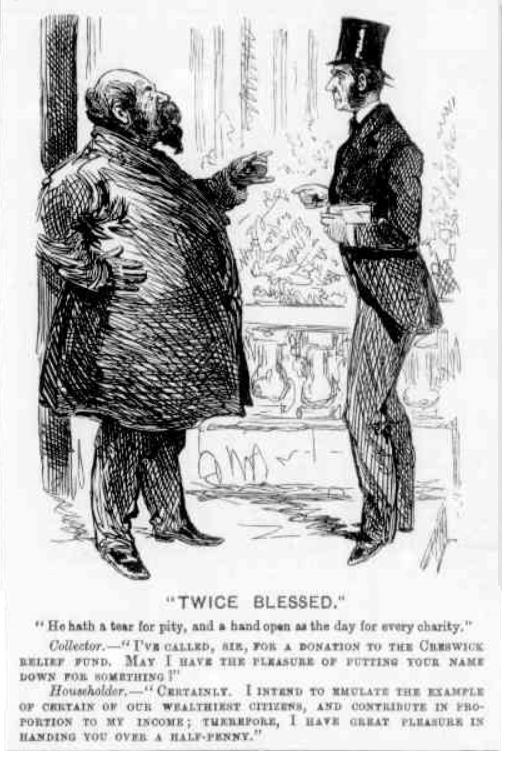
Melbourne Punch December 28, 1882
How were these donations achieved? Some donations were spontaneously received by the charity as a result of its publicity. Often, in the period immediately after the formation of (more…)
The Sydney Female Mission Home
The Sydney Female Mission Home (SFMH), not to be confused with the Sydney Female Refuge Society (SFRS), was commenced on November 17, 1873, in rented premises overlooking Hyde Park, Sydney.[1] Like the SFRS, this charity falls in a number of places on the philanthropic spectrum being both for relief and improvement. The SFMH was a protestant organisation providing short-term accommodation for pregnant unmarried women and it had a non-sectarian admission policy.[2] It was said that the ‘necessity of such a Home has been strongly felt by several ladies and gentlemen, in consequence of facts which frequently come under their notice.’[3] The Home was entirely run and governed by women and of the 14 members of the founding Committee, no fewer than eight were involved with the SFRS. It is likely that, from this experience, they understood the need for an organisation with a different intake and policy than that of the SFRS.[4]
While the task of the SFRS was to provide a refuge for prostitutes, the purpose of the SFMH was to provide temporary accommodation ‘for women who either had fallen, or were in danger of falling from virtue’.[5] The initial focus of the work was to be on those young women who found themselves pregnant and abandoned, most of whom were ‘women who have only taken one serious wrong step, and have not been hardened in sin’. In the assessment of the Committee, an institution such as the SFMH met ‘a great social necessity’ and was ‘an unspeakable blessing to weak women who have fallen prey to the cunning devices of unprincipled men’.[6]
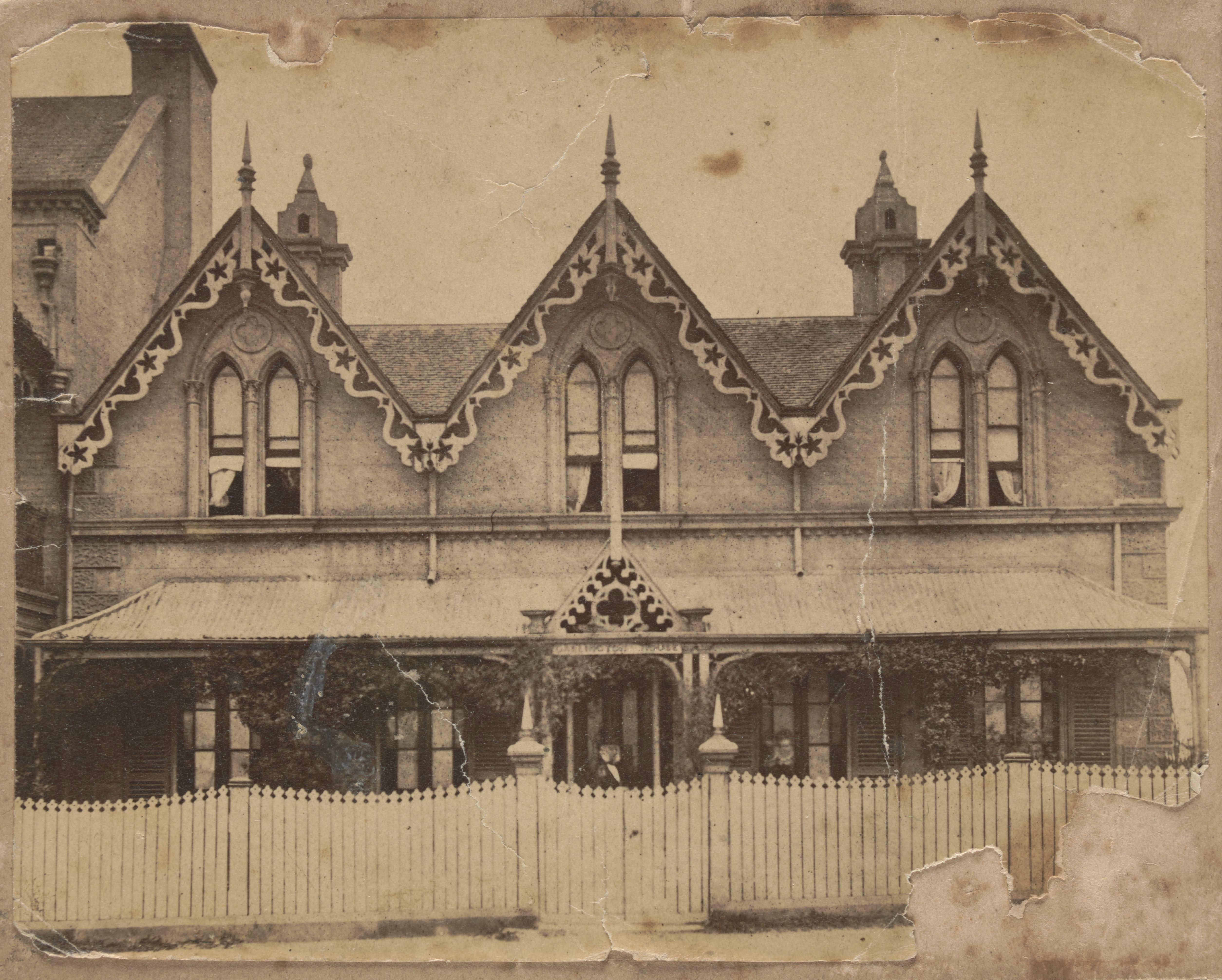
Darlington House, Newtown Road, Sydney ( State Library of Victoria)
The needs that were presented to the Committee shortly after the Home opened caused them to change the Admission Policy. It was changed to include not only pregnant unmarried women, but some unmarried mothers with their infants, many of whom were in a state of destitution.[7] In the first year of its operation the Home had 115 admissions which included 11 infants, and by the end of 1874 it was thought that a larger house, which could accommodate more than 12 residents, was required to meet the needs, as many young women with babies had to be turned away.[8] For those admitted, attempts were made to locate the fathers of the children so that they could ‘feel their responsibility to make some provision for the maintenance of their offspring’.[9] These attempts rarely met with success and as a result the Committee lamented that ‘the seduced, and less guilty, has to bear the whole burden’.[10] They also made efforts to ensure that either the young women returned to their families or, if this was not possible, they sought to gain employment situations for the women where they could keep and nurture their children. A fundamental principle of the SFMH was to ‘avoid, if possible, separating mother and child’[11] and the Committee
being decidedly of [the] opinion that the mother is the natural and fittest guardian of the infant … used their utmost endeavours in all cases to induce the mothers to faithfully fulfil their maternal duties, and not, under any circumstances, to give up their babes to the care of strangers.[12]
Thomas Walker (1804-1886) Businessman, Banker and Philanthropist
Thomas Walker was, during his lifetime and at his death, widely praised as a great philanthropist. He was variously described as ‘the Peabody’[1] of NSW and as a ‘Man of Ross’.[2] Such designations comparing him to other famous philanthropists were underlined by his very large bequest given to build a convalescent hospital which came to bear his name. At his death, quoting Horace Mann, one tribute to Thomas recorded that
‘the soul of the truly benevolent man does not seem to reside much in his own body. It migrates into the life of others, and finds its own happiness in increasing and prolonging their pleasures, in extinguishing or solacing their pains’. Such a soul had Thomas Walker.[3]
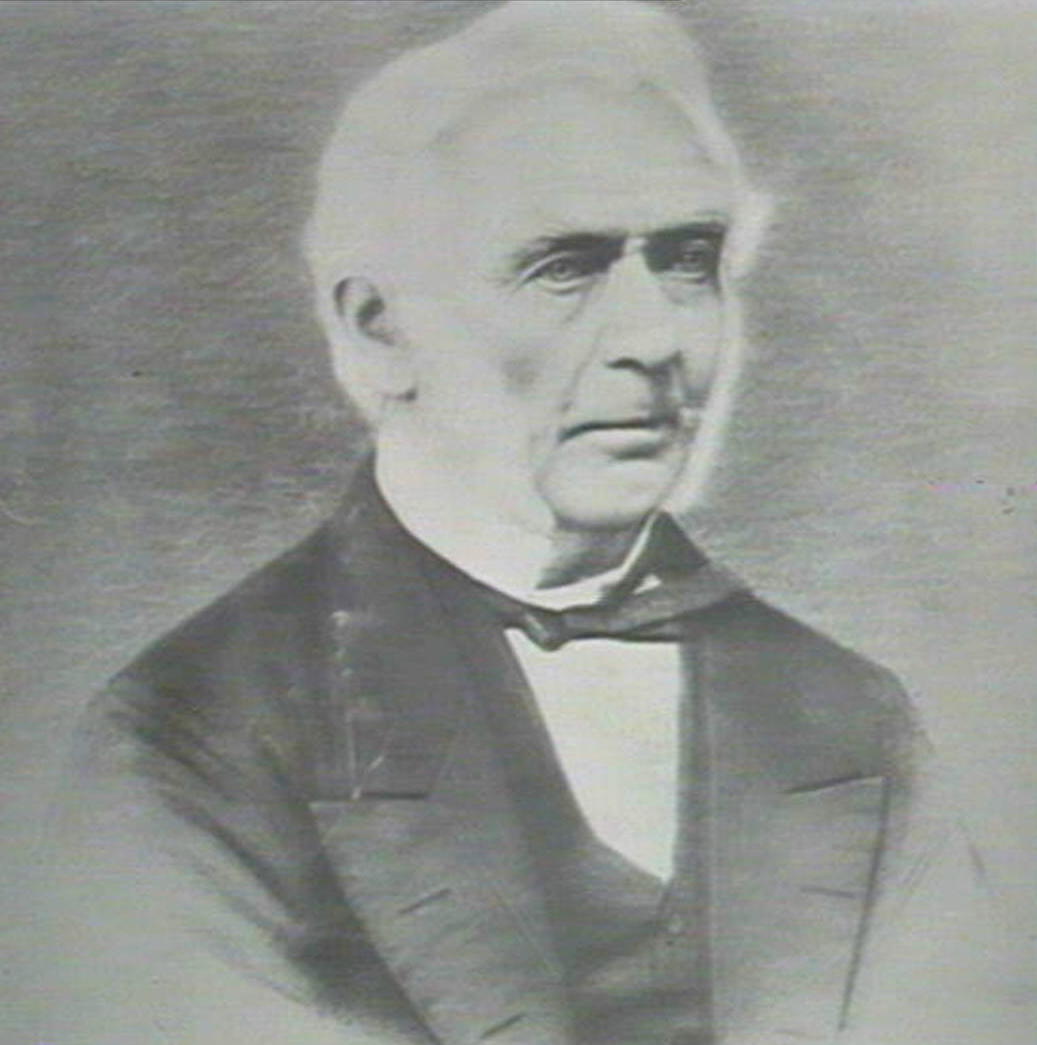
Thomas Walker
How philanthropic was the soul of Thomas Walker and how much did he migrate into the lives of others? While some attention has been given to his life, there has been little work done on that for which he is principally remembered and for which he attracted glowing praise: his philanthropy. Thomas was born on May 3, 1804, the elder son of James Thomas Walker, merchant, and his wife Anne, née Walker, of Perth, Scotland.[4] His birthplace is usually said to be at Leith, Scotland, and he was certainly baptised in the church at South Leith on July 29, 1804, nearly three months after his birth.[5] According to his marriage certificate, which is unlikely to be incorrect as Thomas himself probably supplied the information, he was actually born in England.[6] It would appear that at the time of his birth Thomas’ parents were resident there and later returned to Leith where Thomas was baptised.
Business
Thomas came to Sydney in April 1822 on the Active when he was 18 years of age[7] and brought some family capital with him as, on his arrival, he deposited £2000 in the Bank of New South Wales.[8] He joined his uncle William’s business, Riley and Walker,[9] and by 1829 was a partner with his uncle and Joseph Moore in the firm of William Walker and Co.[10] Later, his younger brother Archibald,[11] who had arrived in the colony in 1832,[12] joined the partnership[13] and both Thomas and Archibald remained as partners in the firm until 1843.[14] Archibald returned to England, but Thomas remained in the colony and upon retiring from the company kept some of his capital invested with it. William Walker and Co had wide business interests as merchants, ship owners and pastoralists, and was a largely successful and profitable business which negotiated the uncertainties of colonial economic life and conditions. The depression of the 1840s was a particularly difficult time for the company and by 1849 Thomas had become insolvent.[15] That he, by the time of his death, had the wealth he had was a remarkable achievement and business recovery which was assisted by the diversity of his financial interests.[16] (more…)
The members of the Sydney Female Refuge Society 1860 – 1900
The work of the Sydney Female Refuge Society (SFRS) was widely reported in the Sydney newspapers of the day, and a large number of its annual reports and minutes for the period 1860 to 1900 are still available. For these reasons, a close examination of its membership is possible and this throws light on the committee members’ social and religious relationships. This charity conformed to a common model among nineteenth century charities with a separate ‘ladies committee’ and a ‘gentlemen’s committee’ and it has been possible to establish their membership over this 40 year span during which time some 198 individuals (104 women and 94 men) served as members. While no-one over this period equalled the record of service of its secretary Ann Goodlet (the full 40 years for Ann and 39 years for her husband, John) others were involved for considerable lengths of time.[1]
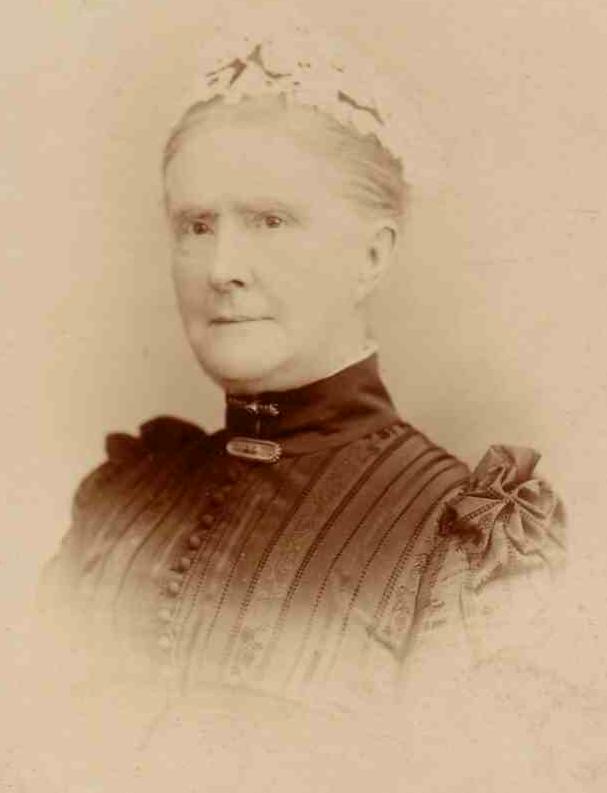
Ann Alison Goodlet
(nee Panton)
(member 1856-1903)
In order to ascertain and illustrate something of the relationships of committee members, those who served on the committee for ten or more years between 1860 and 1900 were researched for details of their background, age, religious affiliation and social standing. Some 63 individuals fell into this category, 37 women and 26 men. The task of identifying these individuals in order to understand who they were in colonial society was relatively easy in the case of the male members of the committee. They were invariably referred to with a Christian name or an initial in addition to their surname and this allowed identification. Identifying the female members proved rather more difficult.
During this period the women who served on the committee were all married, and in its reports the society followed the nineteenth century custom of simply referring to women members as ‘Mrs Robinson’ or ‘Mrs Jones’, usually without a Christian name or initial. Such a designation, apart from subsuming the women in their husband’s identity, made the women’s identification a difficult but not impossible task. Through a careful reading of contemporary literature on the SFRS, and noting dates of commencement and stoppage of service, together with knowledge of the groups of women who were involved in a wide range of charitable activities, it has been possible to identify these women (some of whom are pictured in this article with an indication of their years of service). Such identifications have been made with a high degree of confidence in their accuracy. It has also been possible to determine some personal details, background, social and economic standing, religious background and family connections for both the women and the men.[2] (more…)
The Sydney Female Refuge Society
The Sydney Female Refuge Society (SFRS) is an important and major example of philanthropy which falls on at least three points of the philanthropic spectrum being philanthropy as improvement, as relief and as spiritual engagement (See What is Philanthropy?). The SFRS was formed on August 21, 1848, with the Motto ‘GO, AND SIN NO MORE’.[1] Its formation, which was probably patterned on similar overseas institutions such as the Magdalene Society of Edinburgh, arose out of the concern
that some hundreds of unhappy females were crowding the streets and lanes of the populous city, the disgrace of their sex, the common pest of Society, and a reproach to the religion we profess, but which had not led us to attempt anything for their improvement.[2]
The SFRS objectives were
the reclaiming of unfortunate and abandoned Females, by providing them with a place of Refuge in the first instance, and, after a period of probation, restoring them to their friends, or obtaining suitable employment for them.[3]
The three aspects of this philanthropy are clearly seen in its objectives. Prostitutes and women who found themselves pregnant and abandoned were given a place of refuge (relief), restoration to friends, but importantly where at all possible also to God (spiritual), and they were also given employment such as washing and needlework, and positions with families found for them (improvement).
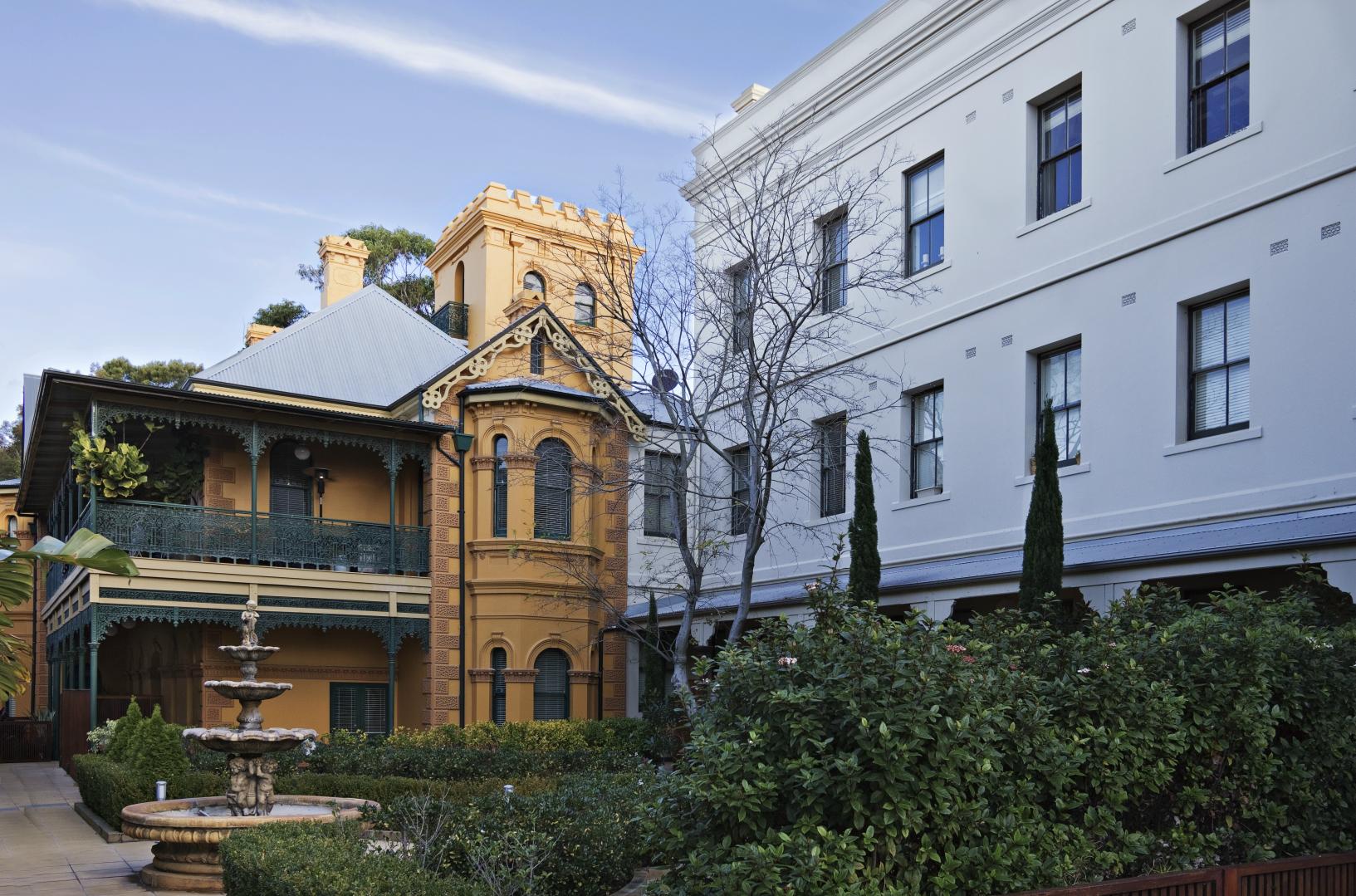
Rosebank, The Sydney Female Refuge from 1903
The labour of the residents of the refuge was rated according to market value. A small proportion was deducted as a weekly charge for board with the balance, contingent upon good conduct, being handed over to them on quitting the institution. In contrast to its Scottish equivalent, there was no uniform, but simple appropriate clothing was provided by the Institution as necessary. Nor did the SFRS, unlike its Scottish equivalent, shave the heads of the inmates to discourage absconding[4] and the daily work schedule was less than the ten hours in the Scottish Asylums.[5] Strict privacy was to be maintained with the names of the inmates not passing beyond the committee and the matron and not being divulged to anyone unless they had a legal right to know. The SFRS conformed to a common model among nineteenth century charities with a separate ‘ladies visiting committee’ and a ‘gentleman’s committee’ of management.
John Hay Goodlet (1835-1914), Presbyterian Philanthropist, Timber Merchant and Manufacturer
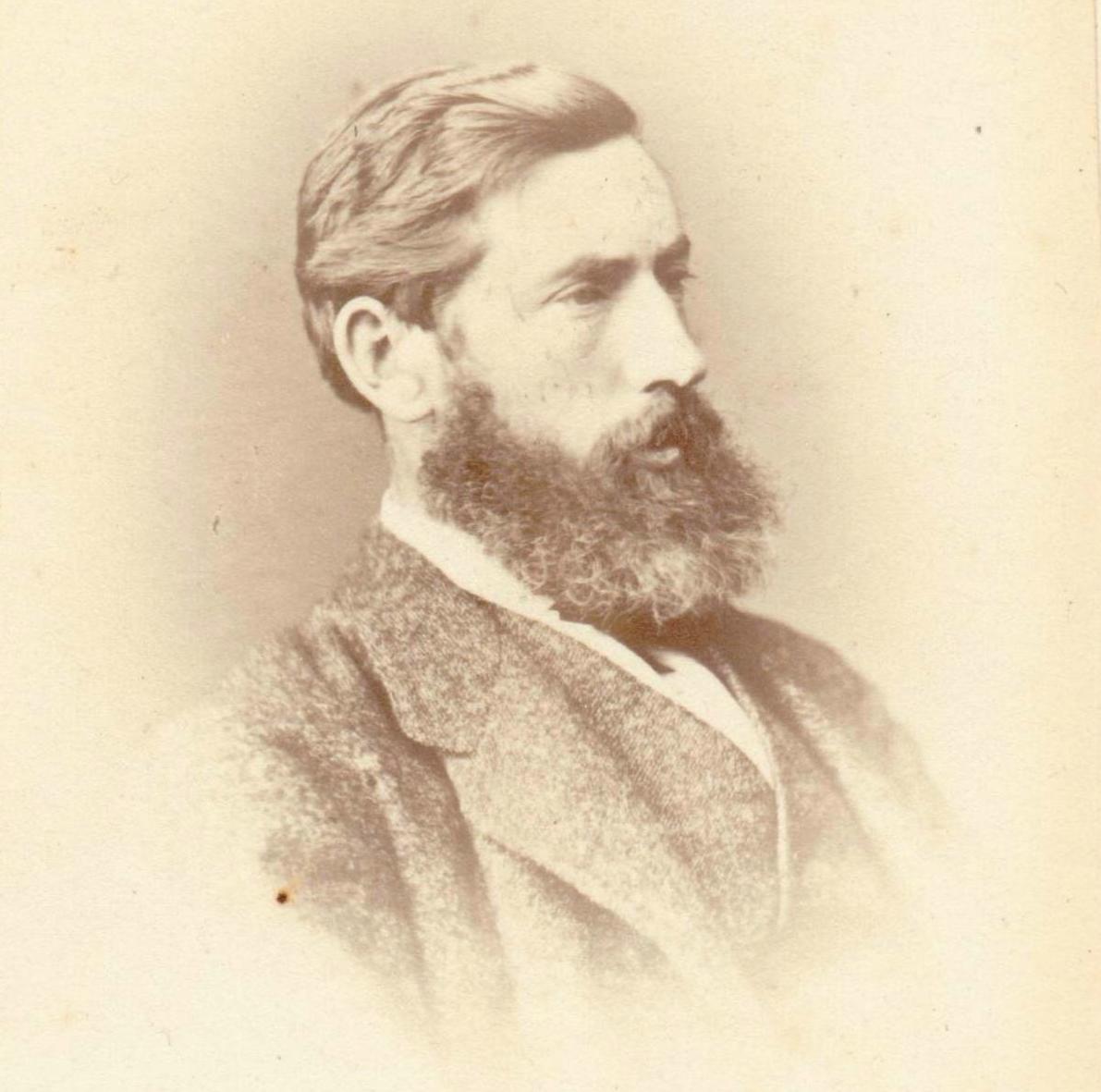
John Hay Goodlet
John Hay Goodlet was born in Leith, Scotland in 1835 the second son and one of eight children of George and Mary Goodlet (nee Hay). He was educated at the Edinburgh Institution for Languages and Mathematics. After he completed school he went to work for a time at the Edinburgh Roperie and Sailmaking Company in Leith.
In 1852, not yet seventeen years of age, he left Scotland for Melbourne Australia arriving in June of that year. He found employment as a clerk in the firm of some fellow Scots, Charles and John Smith who were timber merchants. Within a year he was a partner in the business. In June of 1855, possibly due to a depression in the commercial scene in Melbourne, he went to Sydney and commenced a timber yard and saw mill in Erskine Street in partnership with the Smiths which was known as JH Goodlet and Company. The business did well and by early 1859 the partnership had been dissolved and another entered into with James Smith, a brother of his former partners, and in late 1860 the name of the firm was changed to that of Goodlet and Smith.
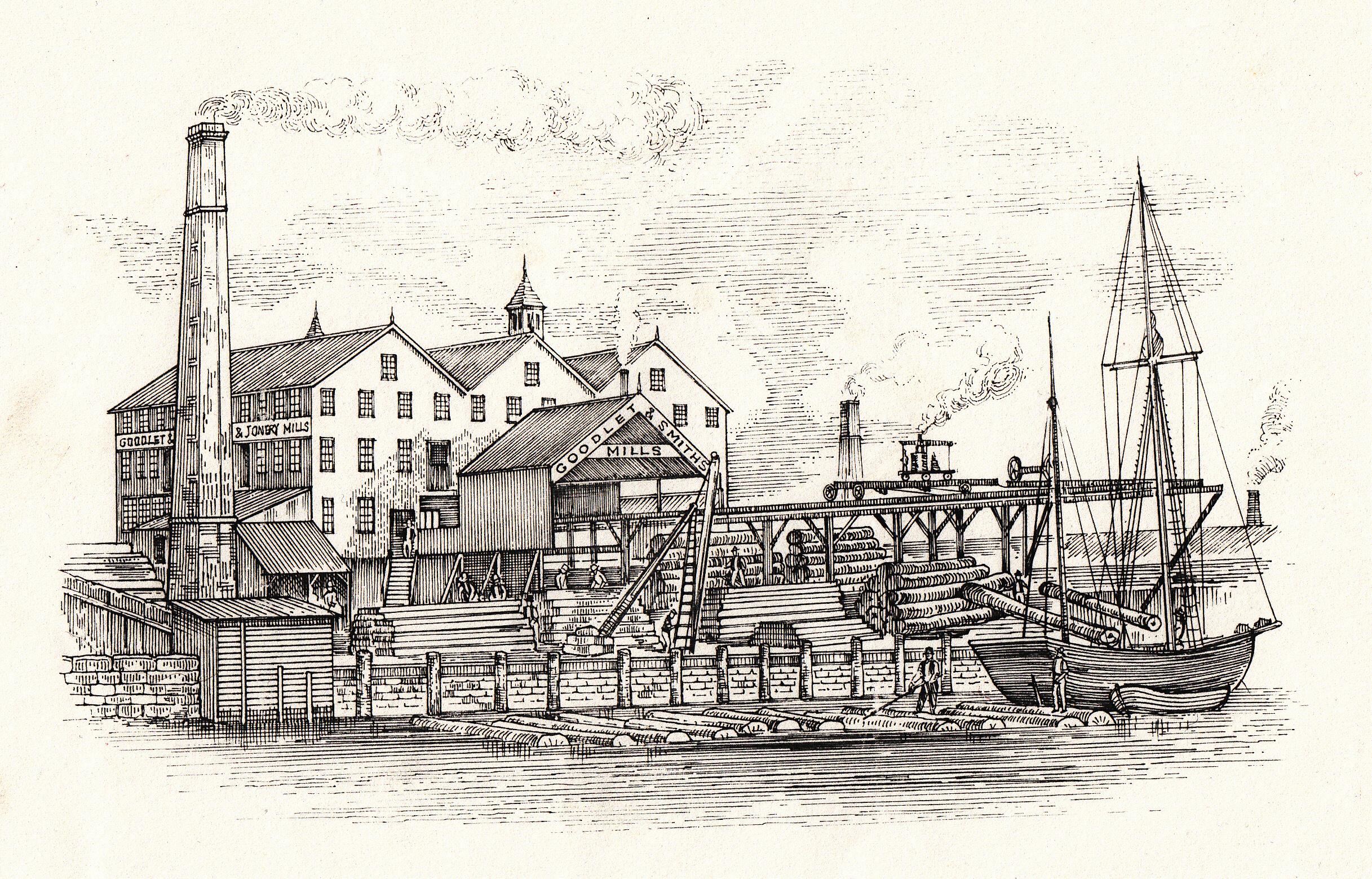
Goodlet and Smith
In 1867 Goodlet and Smith expanded their interests and began producing bricks, pottery and earthenware in Riley Street, Sydney. In 1870 the site was expanded with state of the art labour saving machinery. By 1872 a Hoffman Annular Kiln had been installed and the works continued to produce earthenware until it was closed in 1915. In 1873 the Waterloo Brickworks were opened and operated until the mid 1890s. In 1884 Goodlet and Smith purchased the Junction Brick Works at Granville and later Goodlet showed his entrepreneurial attitudes by introducing the first successful colonial production of Marseille roof tiles. He also produced the first commercially viable high quality Portland cement at this site. All of Goodlet’s manufacturing activities were charactised by the use of up to date technology and labour saving devices. This enabled Goodlet to produce excellent products which sold well and produced good profits for the company.
Ann Alison Goodlet nee Panton (1822- 1903), Presbyterian Philanthropist and missions promoter.
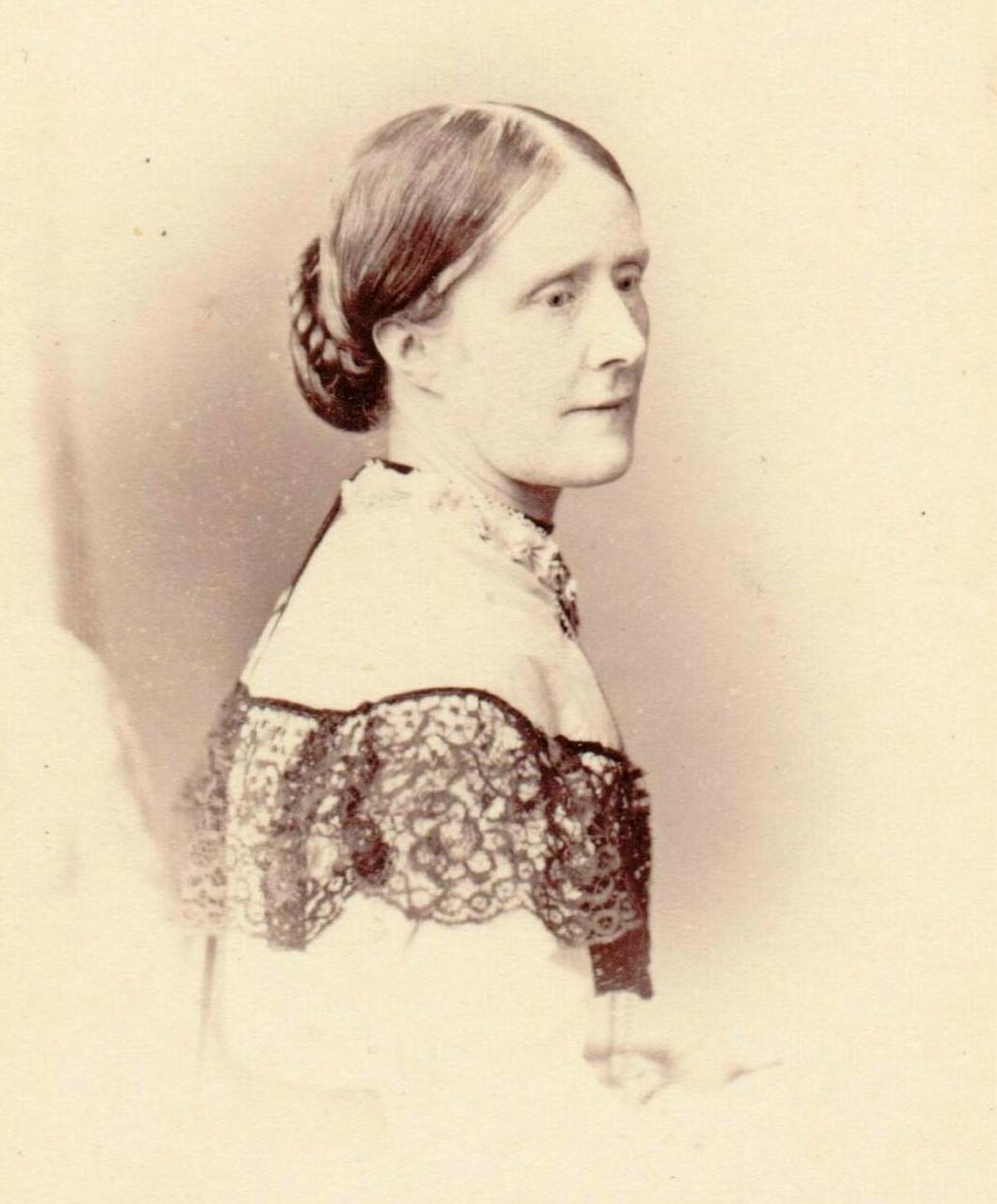
Ann Alison Goodlet
Although Ann Alison Goodlet at her death attracted much praise for her charitable works, her kindness and loving concern, little appears to have been known about her background by either friends, acquaintances or admirers. Even the stained glass window that was erected in her honour at the Ashfield Presbyterian Church spelt her name incorrectly.[1] It seems to have been a characteristic of Ann and John Goodlet that neither said much about themselves. Ann is the forgotten Mrs Goodlet for while Elizabeth Mary Goodlet (nee Forbes), the second wife of John, has received some notice, Ann has been overlooked.
According to her death certificate, the simple facts about Ann Alison Goodlet are that she was born in 1827, arrived in New South Wales (NSW) in 1855 and died on 3rd January 1903. The background of Ann is, however, somewhat more complicated for Ann Alison Goodlet, the daughter of William Panton and his wife Ann Jane (nee Kent), was actually born in 1822 shortly before William and Ann left Scotland for the colony of NSW.[2] Their ship was the Andromeda and the Reverend John Dunmore Lang, who was on his first voyage to NSW, was also a passenger. Lang noted in his diary that (more…)
Jane Steel Walker nee Hart (1832-1870) wife of businessman and philanthropist Thomas Walker of Yaralla
There is little accurate information available on Jane Steel Walker nee Hart, the wife of businessman and philanthropist Thomas Walker of Yaralla.[1] Our understanding of who Jane was is hampered by a lack of primary documentary evidence and by statements in secondary sources that are made about Jane, but which do not appear to be grounded in any primary source. Various writers have continued to uncritically quote these secondary sources which has compounded the confusion. The purpose of this short paper is to clarify what is actually known about Jane and her life.
Jane Hart’s birth
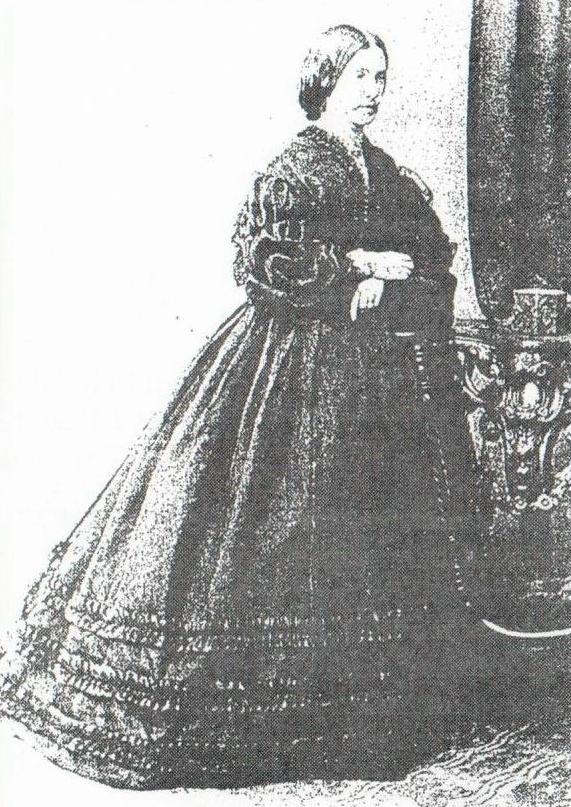
Jane Steel Walker nee Hart
Lack of a birth certificate has led to speculation by researchers as to the age and identity of Jane.[2] According to her gravestone, Jane Steel Hart was born in St Andrews, Scotland, on 2 July 1832.[3] Her marriage certificate records that Jane Hart married Thomas Walker on 25 July 1860 at the Holy Trinity Church, Sydney. We are informed she was a spinster, that she was born in St Andrews, Scotland and that her usual place of residence was Woolloomooloo, Sydney.
On 18 September 1861, Jane gave birth to Eadith and her age was given as 30[4] and on her death certificate of 26 December 1870, her age was stated as 40 years. Her age at the time of marriage, which is information she most likely would have supplied, unlike the information from other documents, Jane is recorded as being 28 years of age; these age variations give approximately the same date and therefore are not significant. On this evidence her birthdate is in 1832, as stated on her gravestone.
In Summary: Jane Hart was born on 2 July 1832 at St Andrews, Fife, Scotland.
Thomas Parker Reeve (1824-1913) Methodist, financial, governance and spiritual philanthropist
Thomas Parker Reeve was born on May 6, 1824 at Deptford in Kent, England, to Isaac Reeve, a mathematics and classical scholar and teacher[1] and his wife Elizabeth Parker. While living in Norwich, Thomas attended the St Mary’s Baptist Chapel where, aged 17, he was received into membership on December 1, 1841. He later recalled that:
in my youth while attending the ministry of the Rev W Brock of Norwich, my mind gradually opened to a sense of danger as a sinner, and of my need of a personal interest in the Great Atonement of Christ, but it was not till sometime after that I could realise a sense of God’s pardoning love.[2]
Thomas married Lydia Pepperday (1825-1898), a Methodist, in 1848 at St Ives in Huntingdonshire, England. Having travelled in steerage aboard the Calphurnia, they arrived in the colony of NSW on September 17, 1853,[3] with their two sons John (1849-1911) and George (1851-1951). Further children were born to them in the colony: Emma (1853-1863), Annie (1855-1943), Thomas (1857-1938), Lydia (1860-1946), Frederick (1861-1940), and Ada (1864-1867). The marriage was a happy one and on their 24th anniversary Thomas wrote ‘I think I can say we love each other more as we grow older and we are an [sic] happy yea, happier in all senses and I trust far nearer to God than we were years ago. I thank God for a good and affectionate wife’.[4]
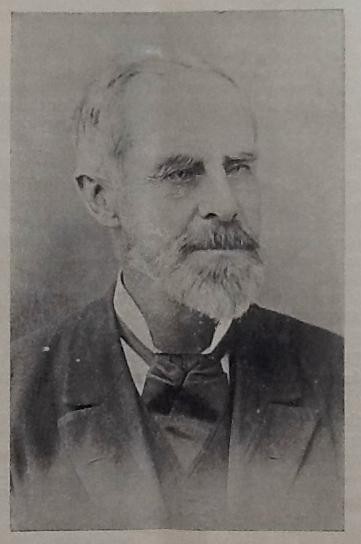
Thomas Parker Reeve
Business
Thomas was a teacher like his father, but in November 1853[5] he set himself up in George Street, Sydney,[6] as an importer and ironmonger. He sold goods ranging from shoes, galvanic pocket generators (which purported to remove pain) to a wide range of ironmongery which included saucepans, boilers, knives and forks. It was said he remained there until ‘aided by his good wife, he amassed a modest competency, and then retired to Stanmore to enjoy the fruit of his honest toil.’[7] It would seem that he moved to Cavendish Street, Petersham (later Stanmore), around June 1873,[8] but continued working for some time probably retiring from active involvement in the business around 1880. By 1888, his son Thomas Henry had assumed control of the business as an ironmonger and organ importer.[9]
Sunday Schools
On arrival in the colony, the Reeves immediately associated themselves with the Wesleyan (Methodist) Church and its activities.[10] Thomas began his long association with the colonial
Christian education of children by becoming first Secretary and then Superintendent of the Hay Street Sunday school.[11] By 1855,[12] he had become General Secretary of the Wesleyan Sunday Schools of the South Sydney Circuit which embraced Chippendale, Hay Street, Glebe and Mt Lachlan.[13] This was a position he held until 1873[14] and in this capacity he visited local Sunday schools and sought to improve the communication skills of the teachers. With his move to Petersham (Stanmore), he opened a Sunday School class in a cottage at Stanmore saying ‘I hope and pray that this may be the nucleus of a large and prosperous Sabbath School’[15] and he became Superintendent of the Stanmore Wesleyan Church Sunday School from 1875 until 1879.[16] Something of his interest and zeal for the work is seen in a meeting he organised for the Rev William Taylor to address a group of Sunday School teachers. He did this because he was concerned that ‘the spiritual success in the way of conversions was not commensurate with the labour and zeal thrown into Sunday School teaching’.[17] His interest in Sunday (more…)
 Philanthropists and Philanthropy